Crawl Space and Foundation Seepage in Alpine, UT
Slow seepage through a foundation or up into a crawl space quietly grows mold and rots framing. We dry it, treat it, and set a vapor barrier, across Alpine and north Utah County.
(385) 503-2168Tap to call our 24/7 dispatch line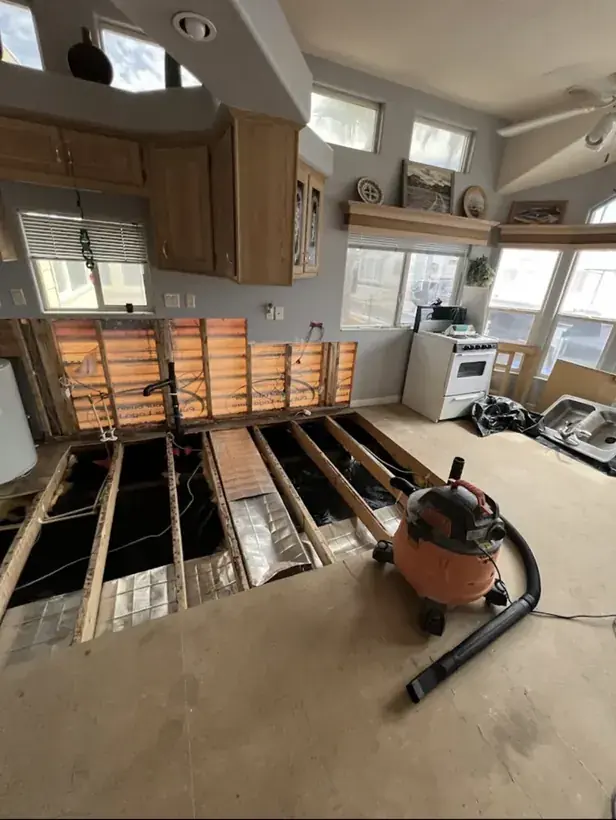
Water does not always arrive as a flood. On the Alpine benches it often seeps in slowly, through a foundation wall, a cold joint, or up into the crawl space from saturated ground, and a damp crawl space quietly grows mold and rots framing. Lund Disaster Relief dries the crawl space or foundation, treats it, and sets a proper vapor barrier.
How we handle crawl space in Alpine
Call and dispatch
A real person answers 24/7 and the nearest Alpine crew rolls with pumps, air movers, and moisture meters.
On-site assessment
We find the source and the full reach of the water, including what soaked into subfloor and wall cavities.
Extract and dry
We pull the standing water, then run air movers and dehumidifiers to a verified dry standard, not just the surface.
Verify and bill
We log moisture readings until the structure is dry, then document the loss and bill your carrier directly.
Water seeping through the foundation or into the crawl space
Seepage is different from a burst pipe or a flooded basement. It is slow, steady, and easy to miss until the damage is done.
- Damp or dark streaks on a foundation wall, especially after spring melt or a wet stretch.
- Standing or muddy water in the crawl space, or ground that never fully dries out.
- A musty smell rising into the main floor, insulation sagging off the joists, or wood that feels soft.
Because it happens out of sight, under the house or behind a finished basement wall, seepage is often found late, once the framing and insulation are already affected.
Why it happens on the Alpine benches
The soils and the water table here work against a foundation every spring.
- Expansive and collapsible clay and old lakebed soils on the benches swell when wet and push against foundation walls and footings.
- As the Wasatch snowpack melts, the water table rises and hydrostatic pressure forces groundwater through cold joints, cracks, and porous footings.
- Pressurized secondary (irrigation) lines and over watered yards add water sitting against the foundation.
The Utah Geological Survey hazards resource covers the expansive soils that drive this. It is distinct from basement flooding, a fast, visible event, while seepage is the slow one that hides.
Our seepage response
We extract any standing water, dry the crawl space or foundation area to a verified standard, treat the affected material to stop mold and rot, and set or replace a vapor barrier to keep ground moisture out.
Where insulation or wood is already compromised, we tell you what has to come out and why. The EPA mold resource explains why a dry crawl space keeps mold out from under the house.
Stopping mold and rot under the house
A damp crawl space is the most common place mold takes hold in a bench home. The moisture feeds mold on the joists and subfloor, rots the wood that holds the house up, and pushes musty air into the living space.
Drying, treating, and sealing the space with a vapor barrier stops that cycle. If mold has already spread, the job runs into full mold remediation so it is removed and verified, not just painted over.
- 01Inspect and meter. We check the crawl space and foundation for standing water, wet insulation, and how far moisture has spread.
- 02Extract and clear. We pump out standing water and remove soaked, unsalvageable insulation and material.
- 03Dry to a standard. Air movers and dehumidifiers dry the space and framing to a verified moisture reading.
- 04Treat and seal. We treat the area to stop mold and rot, then set or replace a proper vapor barrier.
- 05Verify and advise. We confirm the space is dry and point out the drainage and grading fixes that keep it that way.
Water seeping into your crawl space or down a foundation wall? Call now. A local Alpine crew is on site in 45 to 90 minutes to dry it, treat it, and set a vapor barrier.
☎ Call (385) 503-2168A dry crawl space is a dry house
Most homeowners never look in the crawl space until there is a smell or a soft floor, and by then the moisture has been working on the framing for a while. Because seepage soaks insulation and wood, the job often runs alongside structural drying, and it comes from the same wet ground that drives snowmelt and runoff into lower levels each spring.
"Every spring the crawl space under our Grove Creek house would get damp, and we could smell it upstairs. Water was pushing up through the footings as the ground got saturated. They dried the whole space out, treated it, and put down a real vapor barrier. This past spring was the first in years we did not get that musty smell in the house."
Tessa H. · Grove Creek, Pleasant Grove · May 2025
Why north Utah County calls us first
On-site in 45 to 90 minutes
A person answers 24/7 and the nearest crew rolls the moment you call, day or night, across north Utah County.
IICRC-certified crews
Trained technicians with pumps, air movers, and moisture meters who dry to a verified standard, not a mop and a fan.
We bill your insurer
We document the loss with photos and readings and work with your carrier directly, so the paperwork is not on you.
Deep local knowledge
Hard-freeze pipes, snowmelt, canyon storms, expansive clay, and hard water. We know how water moves on the Alpine benches.
From Alpine to Lehi and across north Utah County
Seated in Alpine at 76 N Main St, we respond county-wide, day or night.
Seated in Alpine at 76 N Main St, our crews cover all of north Utah County, day or night, and reach most homes in 45 to 90 minutes.
We serve Alpine, Highland, American Fork, Cedar Hills, Lehi, Pleasant Grove, Lindon, Orem, Saratoga Springs, and Eagle Mountain.
See every neighborhood and ZIP we serve ›Related restoration services
Alpine water damage questions, answered
Water is seeping into my crawl space, can you help?
Yes. A local Alpine crew is on site in 45 to 90 minutes to pump out standing water, dry the crawl space and framing, treat it, and set a vapor barrier. Left damp, a crawl space grows mold and rots the wood that holds the house up, so it is worth handling.
Why does my foundation seep in spring?
As the Wasatch snowpack melts, the water table rises and hydrostatic pressure forces groundwater through cold joints, cracks, and porous footings. The expansive clay soils on the benches swell when wet and push against the foundation, which opens the paths water uses to get in.
Is a damp crawl space a mold problem?
It is one of the most common places mold takes hold in a bench home. The moisture feeds mold on the joists and subfloor and pushes musty air up into the living space. Drying the crawl space, treating it, and sealing it with a vapor barrier is what stops that cycle.
Can you dry it and set a vapor barrier?
Yes, that is the core of the job. We extract any standing water, dry the space to a verified reading, treat the affected material to stop mold and rot, and set or replace a proper vapor barrier so ground moisture stays out of the space going forward.
Will insurance cover seepage?
It depends on the policy and the cause. Sudden, accidental water intrusion is more likely to be covered than long term seepage that was left unaddressed, which many policies treat as maintenance. We document the loss and the drying and give you the records to take to your carrier.
How do I keep it dry next spring?
Moving water away from the foundation helps most, so we point out grading, downspout, and window well drainage fixes, and where a sump or drain is warranted. A sealed vapor barrier and a dried, treated space give you a much better starting point for the next melt.
How is this different from basement flooding?
Basement flooding is a fast, visible event, water arriving all at once. Seepage is the slow one, water working through the foundation or up into the crawl space over days and weeks, often unseen until the framing and insulation are already affected. Each is handled a little differently.
What areas do you serve?
We cover Alpine, Highland, American Fork, Cedar Hills, Lehi, Pleasant Grove, Lindon, Orem, Saratoga Springs, and Eagle Mountain, all of north Utah County. Crawl space and foundation seepage is common across the benches, and a crew is on site in 45 to 90 minutes.
A local Alpine crew is standing by
Water sitting means damage spreading. Call Lund Disaster Relief and a local crew is on the way, 45 to 90 minutes out across north Utah County.
(385) 503-2168Call now, a local crew picks up day or night