Storm and Canyon Flood Cleanup in Alpine, UT
Summer cloudbursts send flash floods and debris off the benches. Our crews reach most of north Utah County in 45 to 90 minutes to extract, clear the mud, and dry what is left.
(385) 503-2168Tap to call our 24/7 dispatch line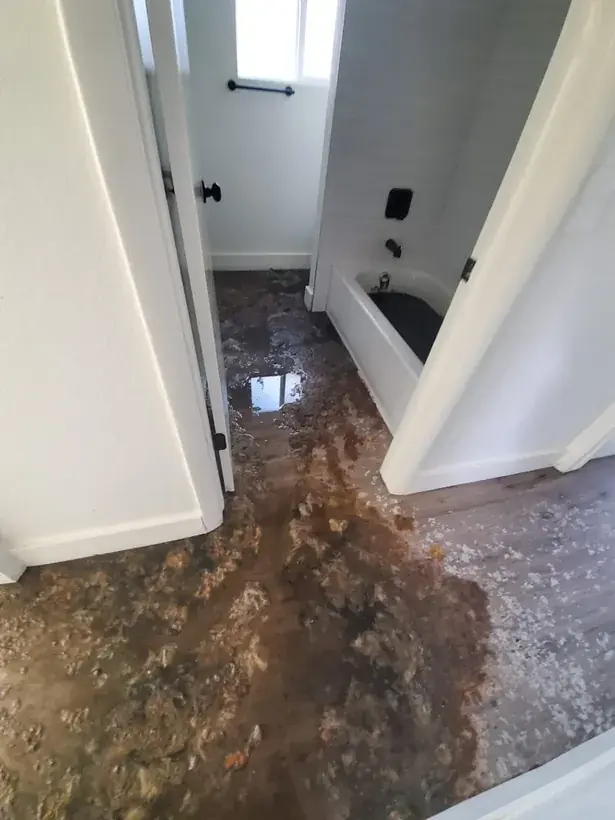
Summer storms on the Wasatch do not drift in, they stall and dump. A monsoon cloudburst can drop heavy rain over Alpine in an hour, and the steep foothills and wildfire burn scars above town shed it fast as flash floods and muddy debris flows onto the benches. This is high, fast mountain water, never a coastal surge. Lund Disaster Relief answers live 24/7 and reaches most of north Utah County in 45 to 90 minutes.
How we handle storm and canyon flood cleanup in Alpine
Call and dispatch
A real person answers 24/7 and the nearest Alpine crew rolls with pumps, air movers, and moisture meters.
On-site assessment
We find the source and the full reach of the water, including what soaked into subfloor and wall cavities.
Extract and dry
We pull the standing water, then run air movers and dehumidifiers to a verified dry standard, not just the surface.
Verify and bill
We log moisture readings until the structure is dry, then document the loss and bill your carrier directly.
Summer cloudbursts and canyon flash flooding
The pattern here is short, violent, and local:
- Monsoon storms stall over the mountains and drop heavy rain fast
- Runoff races down the draws and canyon mouth faster than the ground can absorb it
- Flash water pushes into window wells, garages, walkout doors, and low driveways
- American Fork Canyon outflow winds drive rain sideways into roofs and walls
You can track watches and warnings through the Ready.gov floods resource. Dry Creek and the smaller draws off the canyon mouth stay empty most of the year, then fill in minutes when a cloudburst hits upstream, fanning water across the benches of Alpine and Highland toward the lowest lots.
Burn scars and debris flow off the foothills
A burned slope cannot soak up rain, so an ordinary storm turns dangerous:
- Wildfire burn scars above Alpine, Lone Peak, and the Traverse ridge shed water and mud
- Debris flows carry rock, ash, and silt down the draws into bench neighborhoods
- Muddy water leaves a heavy, gritty residue that ordinary cleanup misses
- The hazard can last for years after a fire until the slope grows back
The Utah Geological Survey maps debris flow hazards for the Wasatch benches.
Our storm and flood response
Storm water carries mud, silt, and contaminants, and the grit it leaves settles into carpet, subfloor seams, and wall cavities where it holds moisture and feeds mold. Getting it fully out, not just wiped up, is the whole job. Our crew works in order:
- 01Make safe and assess. We check power and structural hazards, then map the water and any mud line.
- 02Extract and remove debris. Pumps and extractors clear the water while we shovel and haul the mud and silt, part of our water extraction service.
- 03Remove contaminated materials. Soaked, muddy pad, carpet, and lower drywall come out.
- 04Clean, dry, and treat. We dry framing and cavities to a standard and apply antimicrobial treatment, tied into our structural drying work.
- 05Document and bill. Dated photos, readings, and a written scope go to your carrier, and we bill them directly.
Storm water or debris in your home? Call now and a local crew is on the way to extract, clear the mud, and dry it down.
☎ Call (385) 503-2168Storm water is not clean water
Flash flood and debris flow water is contaminated with mud, ash, and sewage. Keep kids and pets out of it, do not use a household vacuum, and let a crew in protective gear handle the removal and disinfection.
Working with your storm claim
Storm and flood coverage depends on your policy and whether you carry flood insurance, so clear documentation is key:
- We photograph the water line, mud, and damage before cleanup, and log drying readings until the structure is verified dry
- We separate storm damaged materials from salvageable ones, in writing
- We bill your carrier directly and explain what your policy is likely to cover
If a storm has pushed water inside, the first hour counts. Get everyone out of the water, cut power to the wet area only if you can reach the breaker safely, and photograph the mud line before anything is moved.
Slow spring groundwater is a different problem, covered on our snowmelt and spring runoff page, and a storm that drove rain through the roof is covered on our ice dam and roof leak page. We respond to storm flooding across Alpine, Highland, American Fork, Cedar Hills, Lehi, and the rest of north Utah County.
"A July cloudburst sent muddy water off the bench into our window wells and down into the basement. They were out fast, pumped it out, shoveled the mud, and dried everything, then treated it so it would not grow mold. They documented all of it for our claim."
Brooke C. · Cedar Hills · July 2025
Why north Utah County calls us first
On-site in 45 to 90 minutes
A person answers 24/7 and the nearest crew rolls the moment you call, day or night, across north Utah County.
IICRC-certified crews
Trained technicians with pumps, air movers, and moisture meters who dry to a verified standard, not a mop and a fan.
We bill your insurer
We document the loss with photos and readings and work with your carrier directly, so the paperwork is not on you.
Deep local knowledge
Hard-freeze pipes, snowmelt, canyon storms, expansive clay, and hard water. We know how water moves on the Alpine benches.
From Alpine to Lehi and across north Utah County
Seated in Alpine at 76 N Main St, we respond county-wide, day or night.
Seated in Alpine at 76 N Main St, our crews cover all of north Utah County, day or night, and reach most homes in 45 to 90 minutes.
We serve Alpine, Highland, American Fork, Cedar Hills, Lehi, Pleasant Grove, Lindon, Orem, Saratoga Springs, and Eagle Mountain.
See every neighborhood and ZIP we serve ›Related restoration services
Alpine water damage questions, answered
A storm flooded my home, can you help now?
Yes. We answer live 24/7 and reach most of north Utah County in 45 to 90 minutes to extract the water, clear mud and debris, and dry the structure. Call (385) 503-2168 and a crew rolls while you are still on the line.
Does insurance cover flash flood or debris damage?
Flood from surface water and debris flow is usually covered by separate flood insurance rather than a standard homeowner policy, so coverage depends on what you carry. We document everything thoroughly and bill your carrier directly, and we tell you plainly what is likely covered.
I live near a burn scar or the canyon, am I at higher risk?
Yes. A burned slope cannot absorb rain, so even an ordinary storm can send fast, muddy flash floods and debris down the draws for years after a fire. Homes near the canyon mouth and below burn scars on the benches see the highest risk.
What do I do during a flash flood warning?
Move to higher ground, stay out of moving water, and never drive through a flooded road or wash. Once it is safe, shut off power to any wet area if you can reach the breaker safely, photograph the damage, and call (385) 503-2168.
Can you clean up mud and debris too?
Yes. Debris flow leaves a heavy, gritty residue that ordinary cleanup misses, so we shovel and haul the mud and silt, remove contaminated materials, then clean, dry, and treat the structure. It is part of the same response, not a separate call.
How long does drying take after storm water?
Most storm jobs dry in four to seven days, a bit longer than a clean water loss because contaminated materials have to come out and the structure needs treatment before drying. We monitor daily and confirm the readings before we call it done.
Is storm water dangerous?
Yes. Flash flood and debris flow water carries mud, ash, sewage, and whatever it crossed on the way down, so it is treated as contaminated. Keep kids and pets out of it and let a crew in protective gear handle the removal and disinfection.
Which areas do you serve?
We respond to storm and canyon flooding across Alpine, Highland, American Fork, Cedar Hills, Lehi, Pleasant Grove, Lindon, Orem, Saratoga Springs, and Eagle Mountain, and the rest of north Utah County. Call (385) 503-2168 for a local crew.
A local Alpine crew is standing by
Water sitting means damage spreading. Call Lund Disaster Relief and a local crew is on the way, 45 to 90 minutes out across north Utah County.
(385) 503-2168Call now, a local crew picks up day or night